As the cooler nights draw in and the heating comes on, it makes sense to reduce the heat you’ve spent so much money on generating! The loft hatch is often an area that’s overlooked – so let’s look it over.
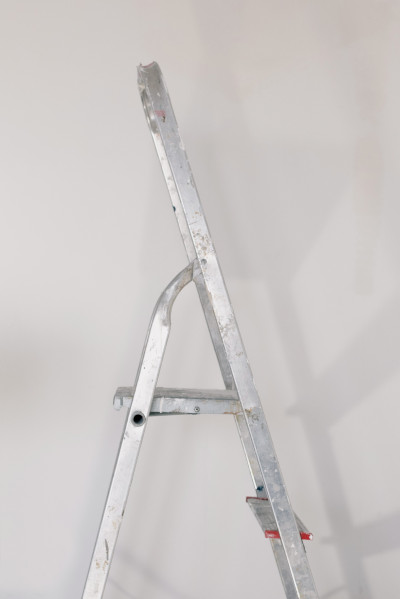
Most older properties will have a simple plywood sheet or other fairly insubstantial cover acting as the loft hatch and if you dig out a set of steps or, at a push, a dining room chair so you can reach it safely, you’ll probably find it’s pretty cold to the touch (newer homes should have a well-fitted and already insulated trap door – stop reading if that’s your home).
Sticking a insulating foam block on the top side of the hatch will hugely cut down on the heat transferring up into the loft (heat rises, remember, so the less we lose to the loft, the better). A suitable foam block can be bought from most DIY shops and is usually easy to cut to size with a sharp knife. If you saw it to shape, be prepared to deal with a blizzard of foam fragments that seem to defy all known logic by electro-statically sticking to everything!
Once your sheet is cut to size and you’ve allowed for the panel hinges (many are a simple ‘push up’ kind with no attachments at all) then it’s time to glue it in place. No need to go mad at this stage: it’s not like the insulation will have any weight on it so a couple of dabs of PVA (the kind teachers use in classrooms) will do the trick.
Once you’re done, it’s out-of-sight-out-of-mind so it’s not super critical if you make a bit of a mess of the cutting or gluing but it’ll shave another bit off the heating bill and that has to be a good thing!
As an aside – and really not helping with energy saving: many loft hatches we’ve seen in older homes have gaps around the edge, allowing cold air to waft down from the (unheated) loft into the living areas of the home. If that’s your hatch and you can use a compressible foam strip – the draft excluder strip used around doors is perfect – then fit some of it so the hatch settles into the strip, preventing drafts. If that won’t work then it might be time to consider replacing the hatch with a new panel that’s a better fit in the hole! In the meantime – and we won’t pretend it’s not a short-term solution – a strip of decorators tape can be used to close the gaps and will help more than you think! Why decorating tape? Compared to packing tape or Sellotape, it’s low-stick and far less likely to take the paint with it when the time comes to remove it.