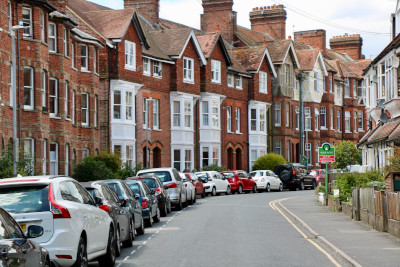
A little history
For far too long, we have been building houses in the UK that, quite simply, just don’t cut it. Fair enough, back when a horse and cart was considered an advanced passenger transport, it was understandable that people who could afford it just built homes with bigger fireplaces: they didn’t have the science or motivation to do any different and firewood was practically free. However, move to the mid 20th century and we were still doing pretty much the same thing but with gas-fired boilers instead: “fit a big one, it’ll do”. Later still, we didn’t add more insulation to the loft to preserve more of the heat we were already generating, if it got cold we just went out and bought fan heaters – burning even more energy.
The ‘modern house’
Technology has moved on. Computers can model buildings more efficiently and in ways our forefathers couldn’t even have dreamed about. Material science gives us highly efficient insulation and the ability to generate power right there on our own rooftops – and yet we fail to deploy much of this in any meaningful way in the typical new build. Sure, there’s a few nods to efficiency (double glazing is now standard, loft insulation has to meet certain depths and so on) but we don’t seem to take it that seriously. If we did, we’d pay more attention to details like maximising the potential heating power of the sun (perhaps larger south-facing windows, putting lesser-used rooms on the North side of the home, that kind of thing).
Take a look around pretty much any greenfield development site: given the opportunity to show off their energy efficiency credentials and build something that allows the homeowner to maximise their energy savings, the developer chooses instead to create house after identical house that squeaks past the legal standard and seems to rely on the appliances within the home to sell the ‘efficiency’ message. “Our condensing boilers are 80% efficient, saving you money”. Of course they are and so they do – but why not build a home that needs even less energy to start with because, if you did, that boiler could be half the size of the one that gets fitted.
Working with what we have
Looking at the existing housing stock in the UK and the situation is even bleaker – if not plain depressing. We can’t easily retrofit a cavity wall to a home with solid walls to make it more energy-efficient and something as simple as a boiler upgrade is so expensive, the average homeowner is pretty much forced to carry on with the existing unit rather than find the lump sum for the new, efficient, version (that might change with the rising cost of gas but, on the flip side, a simultaneous increase in the cost of living and mortgage rates mean that spare cash is, mostly, not that spare). And central funding? Is that a viable way to bring these homes up to decent standard? Realistically, it’s unlikely to happen to anything but the bottom few percent of needy homes: that level of investment has to be paid-for somehow and any Government trying it will have a serious problem getting the books to balance.
Bringing the UK’s unique mix of housing – even just focusing on the houses from the building boom of the ’60’s through to the ’80’s – up to acceptable levels of fuel efficiency appears to be a rather tall order, to say the least.
So. What if…?
Perhaps if we start with a blank sheet of paper and set about designing a home that’s efficient from the outset, we’ll come up with a model that works? A set of ideals that could form the template for other new builds, perhaps. Of course, there will have to be compromises (of course it’d be fuel-efficient to build a home with no door – it’s just entirely impractical) but we have technology on our side to model cause and effect; we have ample research into all these new materials and their properties; an understanding of the environment and how we can minimise our impact on it. We should be able to come up with something.
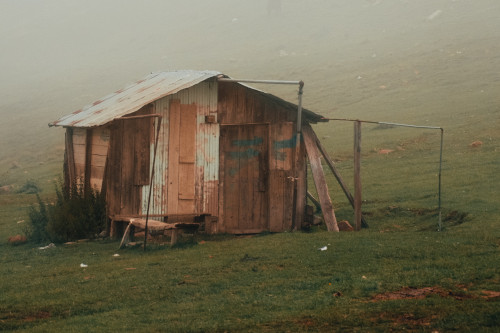
Perhaps we can do better! So. This is where we end up: looking into the viability and construction of a home that meets a criteria that satisfies the trade-off between energy usage, impact on the occupants, the environment at large and of the greater population who will interact with the building. It’s a balancing act and should be very educational to see how it pans out.